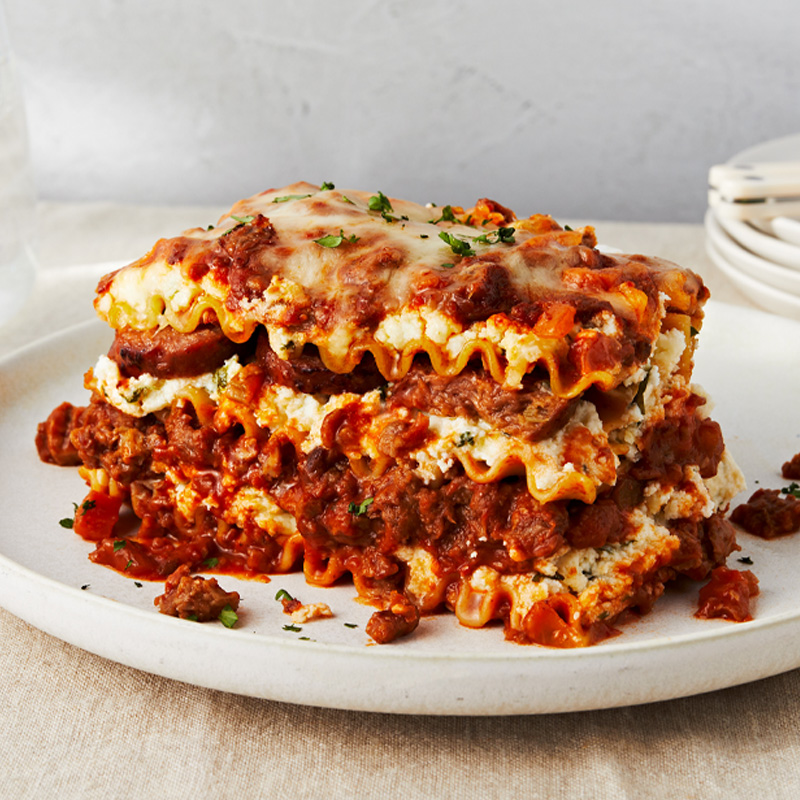
Beyond Bolognese: Discovering Lasagna's Global & Regional Variations
Few dishes evoke the same universal sense of comfort and celebration as lasagna. This iconic Italian baked pasta, with its tantalizing layers of pasta, rich sauces, and melted cheese, has transcended its origins to become a global culinary phenomenon. While many immediately picture the classic Bolognese rendition, the truth is that lasagna boasts a surprisingly diverse lineage, with countless regional and international interpretations that reflect local ingredients, cultural tastes, and culinary innovation. Join us as we journey beyond the familiar, exploring the incredible spectrum of lasagna variations that make this dish a truly global delight.
The Timeless Appeal of Lasagna: A Culinary Legacy
At its core, lasagna is a testament to the enduring power of simple, yet perfectly balanced ingredients. The very word "lasagna" originally referred to the individual wide, flat sheets of pasta, a term with roots tracing back over two millennia. Derived from the ancient Greek word laganon, which described thin sheets of dough, and later adopted by the Romans as lagane, this concept of layered starch predates modern pasta as we know it. From these humble beginnings, lasagna evolved into the hearty, layered preparation known today as lasagne al forno.
The magic of lasagna lies in its fundamental structure: layers of pasta, alternating with a savory sauce, often a creamy element like béchamel, and generous amounts of cheese, all baked until golden and bubbly. This comforting formula has made lasagna a beloved centerpiece for family gatherings, holiday feasts, and any occasion calling for a deeply satisfying meal. Its labor-intensive preparation is often seen as an act of love, resulting in a dish that nourishes both body and soul. The intense umami and salty notes of aged cheeses like Parmigiano Reggiano, combined with slow-cooked meats and tangy tomatoes, create a symphony of flavors that is truly irresistible.
Italian Heart, Global Soul: Regional Lasagna Variations
While often associated with Italy as a whole, the diverse culinary landscape of the peninsula has given rise to distinct regional lasagna styles, each a reflection of its local traditions and available ingredients.
Emilia-Romagna: The Cradle of Classic Lasagna
The traditional Bolognese style of lasagna, often considered the gold standard, hails from the Emilia-Romagna region, particularly Bologna. Here, the dish was meticulously codified by the Accademia Italiana della Cucina. Its signature elements include:
- Pasta: Thin, spinach-infused egg pasta sheets, often giving the dish its characteristic green hue.
- Ragù: A slow-cooked, rich meat-based sauce, typically made with a combination of beef and pork, soffritto (celery, carrot, onion), white wine, and a touch of tomato, simmered for hours to develop profound depth of flavor.
- Béchamel Sauce: A creamy, smooth white sauce made with butter, flour, and milk, providing moisture and a velvety contrast to the richness of the ragù.
- Parmigiano Reggiano: Generously grated between each layer and on top, its sharp, salty, and umami notes balance the other components beautifully, creating that signature golden crust when baked.
This version is a masterclass in balance and slow cooking, a true testament to Italian culinary artistry.
Naples: A Festive, Hearty Tradition
Venturing south, the Neapolitan region offers a drastically different, yet equally delicious, take on lasagna. The lasagne di Carnevale (Carnival lasagna) is a celebratory dish, bursting with a rich array of ingredients. Reflecting the festive spirit of its origin, it often features:
- Tomato Ragù: A more prominent, often sweeter, tomato-based meat sauce than its Bolognese counterpart.
- Meats & Sausages: Hearty additions like small meatballs (polpettine), local sausages, and sometimes even pork ribs are common.
- Cheeses: A mixture of creamy ricotta, fior di latte (fresh mozzarella), and grated Pecorino Romano or caciocavallo.
- Eggs: Hard-boiled eggs, sliced and layered, add an unexpected texture and richness.
This Neapolitan lasagna is a truly opulent experience, embodying the vibrant and generous spirit of Southern Italian cooking.
Beyond the Mainland: Southern Italian Influences
Other regions across Italy contribute their own unique spins. In Sicily, for example, eggplant often finds its way into the layers, sometimes replacing pasta altogether in dishes akin to Parmigiana. Calabrian versions might incorporate spicy 'nduja sausage or more robust, peppery tomato sauces. These regional variations highlight the Italian philosophy of cooking with what's local and seasonal, ensuring that each bite tells a story of its specific terroir.
Lasagna's Global Table: International Adaptations
The fundamental concept of layered pasta with sauce and cheese has proven incredibly adaptable, inspiring countless interpretations across the globe. These international adaptations often incorporate local ingredients and culinary traditions, transforming the dish while preserving its comforting essence. If you're looking for more inspiration, explore Lasagna's Endless Layers: Classic Recipes & Modern Twists.
Vegetarian and Vegan Innovators
With a growing emphasis on plant-based diets, vegetarian and vegan lasagna recipes have soared in popularity. They creatively substitute meat with a bounty of vegetables and plant-based alternatives:
- Garden Varieties: Layers of spinach, roasted butternut squash, grilled eggplant, sautéed mushrooms, zucchini, bell peppers, or even asparagus create vibrant flavors and textures.
- Legume & Nut-Based Fillings: Lentil or mushroom ragùs offer a hearty, umami-rich substitute for meat, while cashew-based "ricotta" and nutritional yeast-infused béchamel provide creamy, cheesy textures without dairy.
These versions prove that lasagna can be just as satisfying and flavorful without meat or dairy, making it accessible to a wider audience.
Seafood Lasagna: A Taste of the Coast
For those who prefer flavors of the ocean, seafood lasagna offers an elegant alternative. Typically featuring delicate white sauces (sometimes a béchamel infused with seafood stock or white wine) and fresh fish or shellfish, common variations include:
- Salmon & Spinach: Flaky salmon, often poached or roasted, combined with sautéed spinach and a dill-infused béchamel.
- Shrimp & Scallop: A luxurious option with tender shrimp and scallops, perhaps in a light tomato or cream sauce, often enhanced with fresh herbs like parsley.
These dishes are lighter and brighter, perfect for a special occasion or a summer meal.
Unconventional Layers: Pushing Culinary Boundaries
Innovation knows no bounds when it comes to lasagna. Chefs and home cooks worldwide have reimagined the dish with truly unique layering components:
- Tortilla Lasagna: In a clever nod to Mexican cuisine, corn tortillas can replace pasta sheets, creating a comforting dish often filled with seasoned ground beef or chicken, black beans, corn, and a spicy tomato sauce, topped with Monterey Jack or cheddar cheese.
- Slow-Cooker Lasagna: This variation focuses on convenience, allowing the layered ingredients to slow-cook to perfection, resulting in tender pasta and deeply merged flavors with minimal oven time.
- No-Bake Lasagna: A summery adaptation where pre-cooked pasta sheets and warm sauces are layered, then allowed to set, often in the refrigerator, for a refreshing twist.
- Global Fusion: Imagine a Thai-inspired lasagna with coconut milk béchamel, ground chicken, and curry paste, or a Greek version with lamb mince, feta, and a spiced tomato sauce, reminiscent of moussaka. The possibilities are truly endless, limited only by imagination.
These inventive approaches demonstrate lasagna's incredible versatility, allowing it to absorb and reflect flavors from almost any culinary tradition.
Crafting Your Own Lasagna Masterpiece: Tips and Tricks
No matter which variation you choose to explore, a few core principles can elevate your lasagna from good to truly exceptional:
- Quality Ingredients: Start with fresh, high-quality pasta (homemade or store-bought fresh pasta is often superior to dry, no-boil sheets), flavorful cheeses, and ripe tomatoes for your sauce.
- Simmer Your Sauce: For meat-based ragùs, slow and low is the way to go. Allowing your sauce to simmer for several hours deepens its flavor significantly.
- Master the Béchamel: A lump-free, creamy béchamel is crucial for moisture and richness. Cook the roux thoroughly before adding milk gradually, whisking constantly. Season it well with salt, white pepper, and a pinch of nutmeg.
- Layering Strategy: A thin layer of sauce at the bottom of the dish prevents the first pasta sheet from sticking. Don't overdo the fillings; a balanced distribution ensures even cooking and structural integrity. Aim for 3-4 layers of pasta for a substantial lasagna.
- Rest Before Slicing: This is perhaps the most overlooked tip! After baking, let your lasagna rest for at least 15-20 minutes (even longer is better) before cutting. This allows the layers to set, preventing a runny, messy presentation.
- Make-Ahead Magic: Lasagna is an excellent make-ahead meal. Assemble it completely, cover, and refrigerate for up to 24 hours before baking, or freeze for longer storage. Thaw in the refrigerator before baking.
Conclusion
From its ancient Greek roots as simple sheets of dough to the complex, comforting dishes enjoyed worldwide today, lasagna's journey is a remarkable culinary saga. It stands as a testament to humanity's universal love for layered, baked goodness, offering a canvas for endless creativity and regional expression. Whether you're a purist who adores the classic Bolognese, an adventurer eager to explore Neapolitan festive versions, or an innovator keen to experiment with global fusion, the world of lasagna is vast and delicious. So, next time you plan a special meal, remember that beyond Bolognese lies a universe of flavors waiting to be discovered and savored, one delightful layer at a time.
